

Key takeaways
- Like coffee or dark chocolate without much sweetness? Choose a dry Irish stout such as Guinness Draught.
- Want something light, crisp and uncomplicated? Try an Irish lager such as Harp Lager.
- Prefer toast, caramel and a gentle fruity note? Look for an Irish red ale such as Smithwick’s Red Ale.
- Want more hop aroma and bitterness? Choose an Irish pale ale; craft breweries such as Galway Bay Brewery make beers in this broader category. The exact recipe and availability vary.
- Unsure what you like? Buy a small mixed selection of stout, lager and ale, then compare them side by side at similar temperatures.
The best Irish beer depends on the flavor you want: choose stout for roasted depth, lager for a crisp finish, or ale for malt, fruit and hops.
For a classic dry stout, start with Guinness Draught; for an easy-drinking Irish lager, try Harp Lager; and for a maltier, more characterful ale, look for Smithwick’s Red Ale. These are useful starting points, not a single ranking: bitterness, body and sweetness vary within each style, and the right pick comes down to what you enjoy and what you’re serving.
Quick picks by taste
- Like coffee or dark chocolate without much sweetness? Choose a dry Irish stout such as Guinness Draught.
- Want something light, crisp and uncomplicated? Try an Irish lager such as Harp Lager.
- Prefer toast, caramel and a gentle fruity note? Look for an Irish red ale such as Smithwick’s Red Ale.
- Want more hop aroma and bitterness? Choose an Irish pale ale; craft breweries such as Galway Bay Brewery make beers in this broader category. The exact recipe and availability vary.
- Unsure what you like? Buy a small mixed selection of stout, lager and ale, then compare them side by side at similar temperatures.
Stout vs. lager vs. ale: what changes in the glass?
These categories are not simply a scale from light to strong. They describe different brewing traditions and commonly associated flavors, but individual beers can fall outside the typical profile. “Ale” is also a broad family that includes red ales and pale ales, so it is less specific than stout or lager.
Our top picks

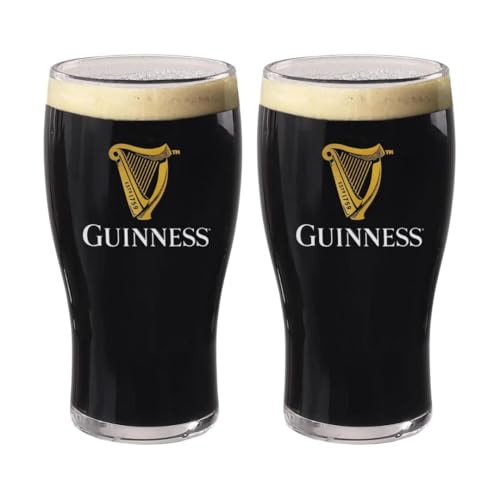


As an Amazon Associate we earn from qualifying purchases at no extra cost to you. Ratings are shown as listed on Amazon.
| Style | Typical flavor and feel | Good starting point | Best fit |
|---|---|---|---|
| Dry stout | Roasted grain, coffee-like bitterness and a dry finish; often dark, but not necessarily heavy | Guinness Draught | Drinkers who like roast flavors and a clean, not-sweet finish |
| Irish lager | Light-bodied, crisp and gently bitter, with grain or mild herbal notes | Harp Lager | Drinkers who want refreshment without a pronounced roast or malt profile |
| Irish red ale | Toasty malt, light caramel and restrained bitterness; often rounder than lager | Smithwick’s Red Ale | Drinkers who want malt flavor without stout’s roast character |
| Irish pale ale | More hop aroma and bitterness, sometimes with citrus or other fruit notes | An Irish-brewed pale ale, such as one from Galway Bay Brewery | Drinkers who like a more aromatic, assertive beer |
The table gives broad style expectations, not guaranteed tasting notes. Recipes, serving format and freshness all affect what you perceive. Alcohol content also varies by product and market, so check the label rather than assuming every beer in a style is equally strong.
Choose by the moment, not just the label
For roast dinners, grilled food or a slow sip
A dry stout’s roasted edge can work well with grilled meats, stews and rich savory dishes. Its dark color may suggest sweetness or weight, but dry stout can finish lean. If you dislike coffee-like bitterness, choose a red ale or lager instead of assuming every stout tastes like a sweet dessert beer.
For a hot day, a party or a broadly appealing option
Lager is usually the safest choice when you want a crisp, easy-drinking beer. It pairs naturally with fried food, salty snacks and lighter meals. If “light” to you means mild flavor rather than low alcohol, read the label: pale color and easy texture do not establish the beer’s alcohol content.
For pub-style food or someone who finds lager too plain
Irish red ale adds toasted and caramel-like malt without the pronounced roast of stout. It is a good middle ground with sausages, burgers and cheddar. Pick a pale ale instead if the drinker wants hops to stand out more than malt.
For a first Irish-beer tasting
Compare one example of each broad style: stout, lager and red ale. Serve them in small pours, start with the mildest-tasting option, and note whether you prefer roast, crispness, malt sweetness or hop bitterness. This is more revealing than buying several beers that share a style but differ only slightly.
A practical comparison for buying
Beer sizes and alcohol content depend on the package and market. The figures below are common reference points for shopping and tasting, not specifications guaranteed for every brand or pack. Confirm the container size and alcohol by volume (ABV) on the label.
| Buying or serving detail | Useful reference | Why it matters |
|---|---|---|
| Common single-can size | 440 ml | A handy tasting portion; some products instead come in 330 ml cans or bottles |
| Common bottle size | 330 ml | Smaller pours make it easier to compare several styles without opening large containers |
| Typical stout serving | About 400–500 ml | Allows room for a settled head; use the package’s serving guidance where available |
| Typical lager or ale serving | About 330–500 ml | Choose the smaller end for sampling and the larger end when you already know the style suits you |
| Comparison pour | 100 ml per beer | Three 100 ml samples require 300 ml total, letting you compare styles while keeping servings modest |
There is no universal “correct” serving temperature or pour for every beer format. Follow the brewer’s instructions when provided. As a practical rule, avoid serving beer so cold that its aroma disappears, and pour gently enough to limit excess foam unless the product is specifically meant to be served with a fuller head.
What changes between a can, bottle and pub pour?
Packaging can affect convenience and presentation more than style. A can is easy to chill and carry; a bottle may suit a meal or a smaller serving; a pub pour offers a fresh draught format but depends on how the bar maintains and serves its lines. Guinness Draught, for example, is sold in more than one format in different markets, so don’t assume the can, bottle and pub version are identical in texture or presentation.
Freshness matters especially for beers with noticeable hop aroma. Check the date or freshness information where shown, store beer away from heat and direct sunlight, and chill it before serving. Once opened, beer loses carbonation and aroma, so pour only what you plan to drink. Glassware should be clean and free of detergent residue, which can interfere with foam.
Common mistakes when choosing Irish beer
- Assuming every stout is heavy or sweet. Dry stout can be roasted and bitter rather than sugary.
- Using color as a guide to strength. Darker does not automatically mean higher ABV; check the label.
- Treating all ales as one flavor. Red ale and pale ale can differ substantially in malt, bitterness and aroma.
- Buying a full case before trying a style. Start with a few individual cans or bottles if you can, then buy more of the style you prefer.
- Serving every beer ice-cold. Very low temperatures can mute aroma, especially in malt-forward or hop-forward beers.
Bottom line
Choose Guinness Draught or another dry stout if roasted, coffee-like flavors appeal; Harp Lager if crisp and light is the priority; and Smithwick’s Red Ale if you want toasted malt and a touch of caramel. If you like stronger hop character, explore an Irish pale ale. For a first purchase, a three-style comparison is the most useful way to learn your preferences without relying on a label alone.



Write Your Review
No reviews yet. Be the first to share your experience!