

Key takeaways
- 3/4 cup whole milk, lukewarm, about 105 to 110°F
- 2 1/4 teaspoons instant yeast, or one standard 1/4-ounce packet
- 1/3 cup granulated sugar
- 1/2 cup pure pumpkin purée, not pumpkin pie filling
- 1 large egg
- 1/4 cup unsalted butter, melted and cooled slightly
- 1 teaspoon fine salt
- 1 teaspoon ground cinnamon
- 1/4 teaspoon ground nutmeg
- 1/4 teaspoon ground ginger
- 4 to 4 1/2 cups all-purpose flour, added gradually
The best pumpkin cinnamon roll recipe uses a moderately soft dough rolled to about 1/4 inch thick, proofed until visibly puffy rather than judged only by the clock, and baked in a snug 9-by-13-inch pan for soft centers and tender edges. Use 1/2 cup pumpkin purée, keep the dough slightly tacky, and freeze the shaped rolls before the final rise if you want fresh rolls later.
This recipe makes 12 large pumpkin cinnamon rolls with a spiced brown-sugar filling and a simple cream cheese glaze. The measurements are designed for consistency: too much flour produces dry rolls, while dough rolled much thinner than 1/4 inch tends to bake up dense and lose its layered spiral.
Our top picks

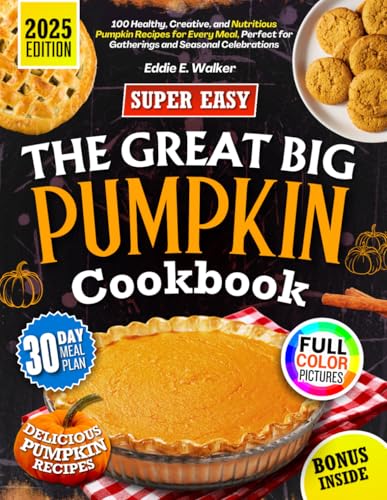

As an Amazon Associate we earn from qualifying purchases at no extra cost to you. Ratings are shown as listed on Amazon.
Pumpkin Cinnamon Roll Recipe at a Glance
| Detail | Recommended specification | Why it matters |
|---|---|---|
| Yield | 12 rolls | Fits a standard 9-by-13-inch baking pan |
| Dough thickness | About 1/4 inch | Balances a soft crumb with defined layers |
| Pan size | 9 by 13 inches | Keeps the rolls close enough to rise upward and stay moist |
| Final proof | 35 to 60 minutes at about 75 to 80°F | Look for puffy rolls and a slow spring-back, not a fixed time alone |
| Baking temperature | 350°F | Allows the centers to cook before the tops overbrown |
| Baking time | 23 to 30 minutes | Depends on roll size, pan material, and proofing level |
| Freezer storage | Up to 2 months for shaped, unbaked rolls | Preserves a fresher texture than freezing fully baked rolls |
Ingredients
For the pumpkin dough
- 3/4 cup whole milk, lukewarm, about 105 to 110°F
- 2 1/4 teaspoons instant yeast, or one standard 1/4-ounce packet
- 1/3 cup granulated sugar
- 1/2 cup pure pumpkin purée, not pumpkin pie filling
- 1 large egg
- 1/4 cup unsalted butter, melted and cooled slightly
- 1 teaspoon fine salt
- 1 teaspoon ground cinnamon
- 1/4 teaspoon ground nutmeg
- 1/4 teaspoon ground ginger
- 4 to 4 1/2 cups all-purpose flour, added gradually
For the cinnamon filling
- 6 tablespoons unsalted butter, softened but not melted
- 3/4 cup packed light brown sugar
- 1 1/2 tablespoons ground cinnamon
- 1/2 teaspoon ground ginger
- 1/4 teaspoon ground nutmeg
- 1/8 teaspoon ground cloves
- 1 tablespoon all-purpose flour
- 1/4 teaspoon fine salt
For the cream cheese glaze
- 4 ounces full-fat cream cheese, softened
- 2 tablespoons unsalted butter, softened
- 1 cup powdered sugar
- 1/2 teaspoon vanilla extract
- 1 to 2 tablespoons milk, as needed
How to Make Soft Pumpkin Cinnamon Rolls
1. Mix the enriched dough
Whisk the lukewarm milk, yeast, and sugar in a large bowl. Add the pumpkin purée, egg, melted butter, salt, cinnamon, nutmeg, and ginger. Stir in 4 cups of flour until a shaggy dough forms, then add more flour 1 tablespoon at a time only if the dough cannot be brought together.
The finished dough should feel soft and slightly tacky but should not coat your fingers with wet batter. Pumpkin adds moisture and fiber, so the dough may feel stickier than a plain cinnamon-roll dough. Adding the full 4 1/2 cups automatically is a common mistake and can make the baked rolls firm.
2. Knead until the dough is elastic
Knead by hand for 8 to 10 minutes, or with a dough hook on low to medium-low speed for 6 to 8 minutes. The dough is ready when it looks smoother, stretches several inches before tearing, and springs back slowly when pressed.
Place it in a lightly greased bowl, cover it, and let it rise at room temperature for 60 to 90 minutes. The first rise is complete when the dough has expanded by roughly 75 to 100 percent. It does not need to double exactly; a cool kitchen may require more time, while a warm kitchen may require less.
3. Prepare the spiced filling
Mix the brown sugar, cinnamon, ginger, nutmeg, cloves, flour, and salt. The small amount of flour helps the filling cling to the butter and reduces loose sugar leakage during baking.
Keep the butter soft enough to spread but not liquid. Melted butter tends to run out when the dough is rolled, leaving dry patches inside the rolls and a sticky layer on the bottom of the pan.
4. Roll the dough to the correct thickness
Turn the risen dough onto a lightly floured work surface and gently press it into a rectangle. Roll it to approximately 18 by 12 inches and about 1/4 inch thick. For a softer, taller result, avoid rolling below 3/16 inch; for very thick dough above 3/8 inch, the center can remain doughy while the outside browns.
Spread the softened butter over the surface, leaving a 1/2-inch strip clear along one long edge. Sprinkle the spiced sugar evenly over the butter and lightly press it into place.
5. Roll, portion, and arrange
Starting from a long edge, roll the dough into a firm log without crushing it. Pinch the seam closed. The log should be about 18 inches long. Trim only the uneven ends, then cut the log into 12 pieces, each about 1 1/2 inches wide.
For clean, round spirals, use unflavored dental floss or a thin sharp knife. Arrange the pieces cut-side up in a greased 9-by-13-inch pan, leaving approximately 1/2 inch between them. A metal pan usually gives more browned edges; a glass or ceramic pan may require a few extra minutes and should not be moved directly from a refrigerator into a hot oven.
6. Judge the final proof by appearance
Cover the pan and let the rolls rise for 35 to 60 minutes at approximately 75 to 80°F. They are ready when the spirals look swollen, the rolls are touching or nearly touching, and a gentle fingertip press leaves an indentation that fills back slowly.
If the dough springs back immediately, proof for another 10 minutes. If the indentation remains and the dough feels fragile or deflates, the rolls are likely over-proofed; bake them promptly. Proofing by visual cues is more reliable than using a fixed time because yeast activity changes with room temperature and dough temperature.
7. Bake until the center is set
Heat the oven to 350°F. Bake the rolls for 23 to 30 minutes, rotating the pan once if your oven browns unevenly. The tops should be golden and the center rolls should look set rather than wet between the spirals.
For the most dependable result, check the center roll with an instant-read thermometer. A temperature around 190 to 195°F indicates that the enriched dough is baked through. If the tops brown before the centers finish, loosely cover the pan with foil for the final 5 to 8 minutes.
8. Glaze while warm, not piping hot
Beat the cream cheese and butter until smooth. Add the powdered sugar and vanilla, then mix in enough milk to make a thick, spreadable glaze. Cool the rolls for 10 to 15 minutes before spreading it over them.
Glazing immediately after baking can cause the cream cheese mixture to melt into the pan. Waiting too long, however, means the glaze will sit on the surface instead of settling into the warm layers.
Worked Example: Why Pan Size Changes the Result
Twelve rolls in a 9-by-13-inch pan have about 117 square inches of pan area, or approximately 9.75 square inches per roll. That gives each piece enough room to expand upward while neighboring rolls support the sides.
If the same 12 rolls are spread across a 12-by-16-inch pan, the available area is 192 square inches, or 16 square inches per roll—about 64 percent more room. The rolls are more likely to spread sideways, producing wider and potentially drier edges. If using a larger pan, reduce the spacing by arranging the rolls in a tighter group, or expect a shorter bake time and thinner finished rolls.
Freezing and Make-Ahead Options
Freeze the shaped, unbaked rolls
This is the best option for a fresh-baked texture. Assemble and cut the rolls, arrange them in a freezer-safe pan, and freeze before the final proof. Once firm, wrap the pan tightly in plastic wrap and foil. Label it with the date and baking temperature, then use within 2 months for the best quality.
To bake, transfer the covered pan to the refrigerator for 8 to 12 hours. Let it stand at room temperature for 45 to 90 minutes, or until the rolls are visibly puffy and pass the slow spring-back test. Bake as directed, adding 3 to 8 minutes if the centers are still cool.
Refrigerate overnight
For next-day rolls, cover the shaped pan and refrigerate it for up to 16 hours. The cold temperature slows yeast activity but does not stop it completely. Allow the rolls to sit at room temperature until puffy before baking; putting cold, under-proofed dough directly into the oven often produces dense centers.
Freeze fully baked rolls
Cool the rolls completely, wrap them individually or in a tightly sealed container, and freeze for up to 1 month. Thaw overnight in the refrigerator or for several hours at room temperature. Rewarm covered at 300°F for 10 to 15 minutes, then add fresh glaze if the original topping has dried.
Common Problems and Corrections
- Dense rolls: The dough may have been over-floured, under-kneaded, or under-proofed. Next time, hold back some flour and wait for the puffy, slow-spring-back cue.
- Dry edges: The pan may be too large or the rolls may be overbaked. Use a 9-by-13-inch pan and begin checking at 23 minutes.
- Filling leaking into the pan: The butter was probably melted, the log was loosely rolled, or the ends were not sealed. Use softened butter and pinch the seam closed.
- Gummy centers: The rolls may have been too thick, too closely packed, or underbaked. Confirm that the center reaches about 190 to 195°F.
- Collapsed rolls: They were likely over-proofed or handled roughly after rising. Bake as soon as the indentation fills slowly and avoid pressing down on the dough.
Frequently Asked Questions
Can I use fresh pumpkin instead of canned purée?
Yes, but homemade pumpkin can contain more water than canned purée. Drain it until it has a thick, spoonable consistency, then begin with the lower amount of flour and adjust gradually. Excess water can make the dough sticky and lengthen the proofing time.
How thick should pumpkin cinnamon roll dough be?
Roll the dough to about 1/4 inch thick, approximately 18 by 12 inches for this recipe. Thinner dough creates more spiral layers but can bake up less substantial, while thicker dough makes tall rolls that may remain underbaked in the middle.
What is the best pan for soft cinnamon rolls?
A 9-by-13-inch metal, glass, or ceramic pan works well when it is deep enough to contain the rising rolls. Metal generally browns the edges more readily, while glass and ceramic may need a little extra baking time. Avoid a very large pan unless you want flatter, more widely spaced rolls.
Can I let the rolls proof overnight?
Yes. Cover the shaped rolls and refrigerate them for up to about 16 hours. Before baking, let them stand at room temperature until puffy and slow to spring back; the refrigerator slows proofing but does not replace the final rise.
Why are my pumpkin cinnamon rolls not fluffy?
The most common causes are too much flour, yeast that is inactive, or insufficient proofing. The dough should remain slightly tacky, and the final rolls should visibly expand before baking. If your kitchen is cool, allow more time rather than adding extra yeast or increasing the oven temperature.
How should I store leftover pumpkin cinnamon rolls?
Store glazed rolls in a covered container at room temperature for up to 2 days if the room is cool, or refrigerate them for up to 5 days. Rewarm individual rolls briefly, covered, so they do not dry out. For longer storage, freeze them tightly wrapped and use within about 1 month for the best texture.




Write Your Review
No reviews yet. Be the first to share your experience!