

Key takeaways
- Galvanized steel: Strong, termite-proof, and resistant to rot. Coatings, fasteners, and cut edges are the points to inspect first. Dark colors can heat up in intense sun, though soil temperature depends on climate, irrigation, and plant cover.
- Cedar: Attractive and easy to repair, but eventually vulnerable to constant moisture. Avoid lining the inside with materials that trap water against the boards.
- Composite or resin: Low maintenance and rot-resistant, but thin panels can bow and brittle plastics can crack after years of ultraviolet exposure or severe cold.
The best large raised garden bed kits are Vego Garden for tall, long-lasting metal beds, Birdies for modular shapes and attractive galvanized steel, Greenes for affordable cedar growing space, and resin or composite kits for low-maintenance yards where wood rot is a concern.
Our top picks

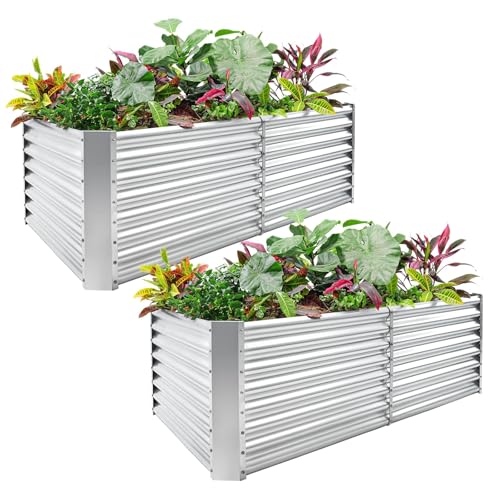
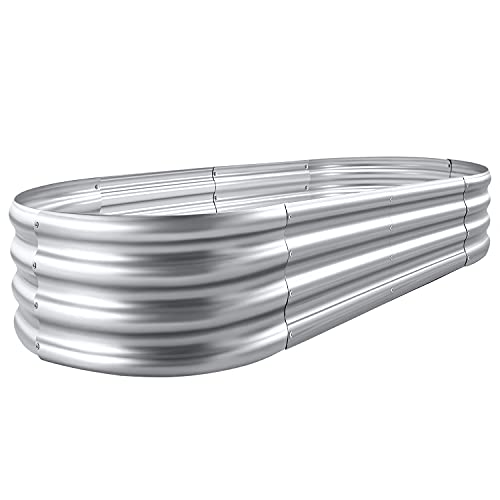
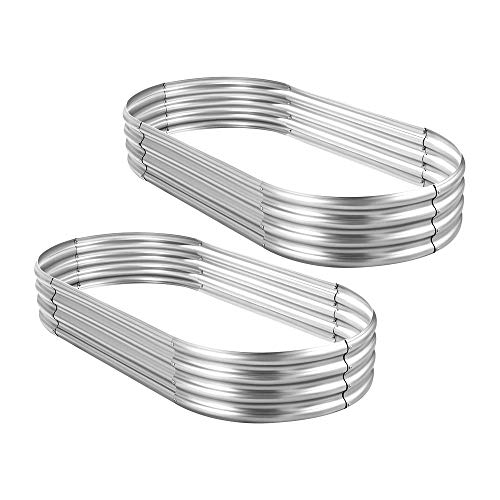
As an Amazon Associate we earn from qualifying purchases at no extra cost to you. Ratings are shown as listed on Amazon.
Best large raised garden bed kits at a glance
| Kit type or example | Typical large configuration | Bed height | Growing area | Best for | Typical market range |
|---|---|---|---|---|---|
| Vego Garden modular metal bed | 6.5 × 3.5 ft | 17 or 32 in | 22.75 sq ft | Durability, accessibility, deep-rooted crops | $180–$400 |
| Birdies galvanized steel bed | Approximately 6.5 × 3.3 ft, depending on configuration | Approximately 15–29 in | About 21 sq ft | Modular layouts and decorative gardens | $180–$450 |
| Greenes cedar raised bed | 4 × 8 ft | About 10.5–17 in, depending on tier | 32 sq ft | Maximum area per dollar | $100–$250 |
| Composite or recycled-resin kit | 4 × 8 ft | 10–16 in | 32 sq ft | Low upkeep and consistent appearance | $250–$700 |
Dimensions vary by manufacturer and configuration, so check the assembled measurements before ordering. The most important comparison is not the outside footprint alone: tall beds use considerably more soil, while long beds can be difficult to reach across without stepping into them.
Our top picks by gardening situation
Best overall: Vego Garden modular metal beds
Vego Garden is the strongest all-around choice when you want a large bed that should remain useful for many years. Its galvanized steel panels have a ribbed, coated construction, and the modular format allows rectangular, square, U-shaped, and other layouts. The 32-inch versions are particularly useful for gardeners who want less bending or need extra depth for carrots, parsnips, potatoes, or shrubs.
The main trade-off is soil cost. A 6.5 × 3.5-foot bed that is 32 inches high requires roughly 61 cubic feet of internal volume before accounting for any fill materials. That is more than 2 cubic yards of soil, so a tall bed should usually be filled with a planned mix of branches, compostable material, and quality soil rather than expensive potting mix from top to bottom.
Choose the 17-inch model for vegetables and herbs, and the 32-inch model when accessibility, deep roots, or a raised planting area matters more than initial filling cost. Assembly is moderate: expect roughly two to four hours for a large configuration, especially if one person is aligning panels and protective caps.
Best for modular shapes: Birdies raised garden beds
Birdies beds are a good choice when the bed must fit an unusual space or serve as a visual feature as well as a growing container. Their galvanized steel panels can be rearranged into several footprints, making them easier to adapt around paths, patios, and existing plants than a fixed 4 × 8-foot box.
The taller models offer more usable depth than basic timber beds, but their large metal panels can be awkward to align during assembly. Budget additional time for checking that every bolt is started before tightening. A two-person setup is preferable for the longest configurations.
Birdies is most appealing when shape flexibility and appearance are priorities. For a simple rectangular vegetable plot, a cedar bed may provide more growing area for less money.
Best budget area: Greenes cedar raised beds
For gardeners who mainly want the largest planting area at a moderate price, a Greenes 4 × 8-foot cedar bed is difficult to overlook. Its 32-square-foot footprint is about 41% larger than a 6.5 × 3.5-foot bed, yet the materials and construction are simpler. Cedar is naturally more rot-resistant than many untreated softwoods, and replacement boards are relatively easy to source or cut.
These beds are generally lower than tall metal models, so they are better suited to shallow-rooted vegetables, salad greens, strawberries, and flowers. A 10.5-inch bed can work well over reasonably healthy soil; a deeper version is preferable where the underlying ground is compacted, contaminated, or full of roots.
Wood is the consumable part of the ownership equation. Expect exposed boards, corner joints, and the bottom few inches near wet soil to wear first. Keeping the outside clear of constantly damp mulch, maintaining drainage, and avoiding impermeable plastic liners can extend service life.
Best low-maintenance alternative: composite or recycled-resin beds
Composite and recycled-resin kits suit gardeners who do not want to stain, seal, or eventually replace wooden boards. They resist ordinary moisture exposure and maintain a uniform appearance, but quality varies widely. Look for thick sidewalls, reinforced corners, UV-resistant material, and hardware that will not rust.
These beds can be more expensive than cedar and may flex if filled before all braces are installed. They are a practical choice for a permanent patio garden, community garden plot, or rental property where minimal maintenance is more important than the lowest purchase price.
Head-to-head comparison of the features that matter
Growing area and reach
A 4 × 8-foot bed provides 32 square feet of growing area, but the full 4-foot width can be inconvenient. Most gardeners can comfortably reach about 2 feet from one side. If the bed is accessible from both sides, 4 feet is workable; against a wall, choose a maximum width of about 2 to 3 feet.
Two 4 × 4-foot beds separated by a 2-foot path often work better than one 4 × 8-foot bed. The path uses some yard space, but it improves access, crop rotation, and harvesting. U-shaped metal beds offer a similar compromise while preserving a central working area.
Bed height and filling cost
Height affects both comfort and expense. A 10.5-inch, 4 × 8-foot bed holds approximately 28 cubic feet, or just over 1 cubic yard, before settling. A 17-inch bed of the same footprint holds about 45 cubic feet. A 32-inch bed holds roughly 85 cubic feet.
These figures explain why tall metal beds can cost more to fill than to buy. Use a bulk soil supplier when possible, and allow for settling after the first season. Do not fill the upper planting zone with fresh manure or unfinished compost, which can damage roots and cause nutrient imbalance.
Material strength and outdoor durability
- Galvanized steel: Strong, termite-proof, and resistant to rot. Coatings, fasteners, and cut edges are the points to inspect first. Dark colors can heat up in intense sun, though soil temperature depends on climate, irrigation, and plant cover.
- Cedar: Attractive and easy to repair, but eventually vulnerable to constant moisture. Avoid lining the inside with materials that trap water against the boards.
- Composite or resin: Low maintenance and rot-resistant, but thin panels can bow and brittle plastics can crack after years of ultraviolet exposure or severe cold.
For any material, a bed placed directly on wet grass will age faster than one installed on level, well-drained ground. The drainage environment matters as much as the panel material.
Liners and drainage
A liner is not automatically an upgrade. In a metal bed, a breathable liner can separate soil from the panel and reduce fine soil loss through small gaps, but a sealed plastic liner can retain excess water. In a wooden bed, lining every interior surface may accelerate rot by keeping the boards damp.
Use a liner only when its purpose is clear: separating soil from treated masonry, reducing aggressive weed-root intrusion, or preventing soil loss through wide openings. Never cover the bottom unless the kit is specifically designed for container use. The ground beneath should remain open so excess water can escape.
Assembly and setup: what takes the time
- Measure the finished footprint. Include external braces, corner caps, and at least 18–24 inches for walking space.
- Level the site. Small slopes create uneven water distribution and place extra stress on corners and connectors.
- Install every brace before filling. A panel that looks rigid while empty can bow once several tons of wet soil are inside.
- Protect the base from weeds without blocking drainage. Use cardboard, landscape fabric, or an open-bottom approach according to the site and crop.
- Fill in layers and water each layer. This reduces later settling and exposes gaps before plants are installed.
- Check fasteners and corners after the first heavy rain. Wet soil adds weight, and loose hardware is easier to correct before panels deform.
For a large metal kit, plan on two to four hours of assembly. A simple cedar 4 × 8-foot kit may take 30 to 90 minutes if the ground is already level. Composite kits vary, but corner alignment and reinforcement usually make them slower than their simple appearance suggests.
Which large raised bed kit should you buy?
| Your priority | Best direction | Why |
|---|---|---|
| Lowest cost per square foot | 4 × 8-foot cedar bed | About 32 sq ft with a relatively low initial price |
| Less bending or deep-rooted crops | 17–32-inch galvanized steel bed | Rigid walls and greater soil depth |
| Unusual yard or multiple layouts | Modular metal bed | Panels can form L, U, or compact configurations |
| Minimal maintenance | Thick composite or recycled-resin bed | No routine sealing and strong moisture resistance |
| First large garden | 10.5–17-inch rectangular bed | More manageable soil volume and simpler planting access |
Long-term ownership mistakes to avoid
Do not place a bed where tree roots will eventually lift it, and do not make a narrow bed so wide that harvesting requires standing on the soil. Avoid untreated scrap lumber, unverified coatings, and liners that have no drainage path. Recheck wood joints annually, tighten metal hardware after the first season, and remove standing water around the exterior.
For most homes, the best balance is a 17-inch galvanized steel bed if longevity and accessibility matter, or a 4 × 8-foot cedar bed if growing area and purchase price matter most. Buy the taller or modular option only when its specific benefit—reach height, root depth, or layout flexibility—justifies the extra soil and assembly work.


Write Your Review
No reviews yet. Be the first to share your experience!