

Key takeaways
- 1080p televisions: A basic HD streaming stick is usually sufficient. Buying a premium 4K box will improve speed and app support, but not picture resolution.
- 4K HDR televisions: Google TV Streamer 4K, Roku Ultra, Apple TV 4K, and Fire TV Stick 4K Max all support the main HDR standards. Confirm whether your TV supports Dolby Vision, HDR10+, or only HDR10 before paying for a feature it cannot display.
- Older televisions: Check for an HDMI port, HDCP compatibility, and available power. Some older sets cannot supply enough USB power, so use the included wall adapter.
- Soundbars and AV receivers: If the player connects through a receiver, confirm that the receiver passes 4K HDR signals. Otherwise, connect the player directly to the TV and send audio back through HDMI ARC or eARC.
The best streaming media players for most TVs are the Google TV Streamer 4K for broad app compatibility, the Roku Ultra for simple navigation, the Apple TV 4K for speed and Apple households, and the Amazon Fire TV Stick 4K Max for an inexpensive 4K upgrade.
The right choice depends less on the brand of your television than on your priorities: picture format, app availability, remote design, responsiveness, privacy preferences, and whether the player will serve a basic bedroom TV or a central home-theater system.
Our top picks
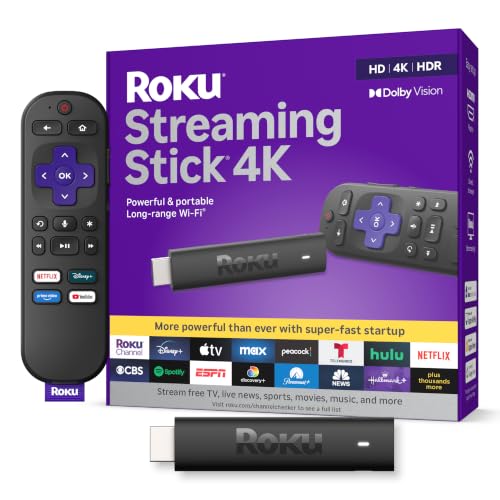


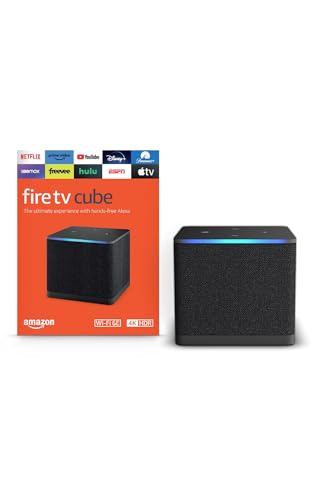
As an Amazon Associate we earn from qualifying purchases at no extra cost to you. Ratings are shown as listed on Amazon.
Best streaming media players at a glance
| Player | Maximum video | HDR formats | Platform and notable apps | Storage | Best for |
|---|---|---|---|---|---|
| Google TV Streamer 4K | 4K at 60 fps | HDR10, HDR10+, Dolby Vision, HLG | Google TV; Netflix, Disney+, YouTube, Max, Prime Video and more | 32GB | Most households and Google Home users |
| Roku Ultra | 4K at 60 fps | HDR10, HDR10+, Dolby Vision, HLG | Roku; major services plus a large channel library | Not normally user-expandable | Simple menus and private listening |
| Apple TV 4K (third generation) | 4K at 60 fps | HDR10+, Dolby Vision, HLG | tvOS; Apple TV+, Netflix, Disney+, Max, games and Apple services | 64GB or 128GB | Fast performance and Apple ecosystems |
| Amazon Fire TV Stick 4K Max | 4K at 60 fps | HDR10, HDR10+, Dolby Vision, HLG | Fire TV; Prime Video, Netflix, Disney+, Max, YouTube and more | 16GB | Low-cost 4K streaming and Alexa control |
| NVIDIA Shield TV Pro | 4K at 60 fps | HDR10, Dolby Vision | Android TV; streaming, Plex, GeForce NOW and local media | 16GB plus USB expansion | Power users with local files or game streaming |
Specifications can vary by software update, television settings, and service subscription. A player cannot create Dolby Vision or 4K detail when the source video, HDMI connection, or television does not support it.
Our picks by home entertainment setup
Best overall: Google TV Streamer 4K
The Google TV Streamer 4K is the most balanced choice for a mixed household. Its Google TV interface brings services, recommendations, live content, and installed apps into one place rather than forcing you to open each service separately. The 32GB of storage is unusually generous for a streaming box, leaving more room for apps and games than most inexpensive sticks.
It supports 4K resolution, Dolby Vision, HDR10+, HDR10, and HLG, making it a good match for modern mid-range and premium televisions. Google Home integration is useful if you already use Nest speakers, smart displays, or other Google-compatible equipment. Its remote includes voice search and programmable buttons, although the interface presents more recommendations and promotional content than the simplest Roku setup.
Choose it for a living room with several viewers, different subscriptions, and a newer 4K television.
Best for simple menus: Roku Ultra
Roku Ultra remains a strong choice when ease of use matters more than ecosystem integration. The home screen is app-focused, the search function covers many services, and the remote’s programmable shortcut buttons can reduce repetitive navigation. The device also supports Dolby Vision, HDR10+, HDR10, and HLG in 4K.
Private listening is one of Roku’s most useful features. Depending on the remote and software configuration, you can listen through compatible headphones without turning up the television for everyone else. The Ultra is also a better fit than a small streaming stick when you want wired Ethernet, a rechargeable remote, or a more substantial set-top-box design.
Its main limitation is that Roku’s app catalog and features can differ by region and service. Check that an important niche app is available before buying, particularly if you rely on a smaller sports, international, or cable-replacement service.
Best for speed and Apple households: Apple TV 4K
Apple TV 4K is the premium pick for people who dislike sluggish menus, advertising-heavy home screens, or frequent buffering caused by weak Wi-Fi. The A15 Bionic chip gives it ample performance for app switching, games, AirPlay, and long-term software support. The 128GB version adds Ethernet and more room for games and apps; the 64GB version is adequate for ordinary streaming.
The Siri Remote uses a rechargeable battery, a touch-enabled clickpad, and a USB-C charging connection. It can control compatible television and receiver volume, while AirPlay makes it particularly convenient for iPhone, iPad, and Mac owners. Dolby Vision, HDR10+, HDR10, and HLG are supported.
Apple TV 4K costs more than a streaming stick, and its app-based approach may feel less flexible if your household is centered on Android phones, Alexa devices, or a service that has limited tvOS support. It is also a poor value if your television is only 1080p and you need nothing beyond basic playback.
Best inexpensive 4K upgrade: Amazon Fire TV Stick 4K Max
The Fire TV Stick 4K Max is a compact way to add modern streaming features to an older 4K television. It supports Dolby Vision, HDR10+, HDR10, and HLG, includes Wi-Fi 6 connectivity, and uses an Alexa Voice Remote. The stick hides behind the television, which is helpful when shelf space is limited.
It works especially well for Prime Video subscribers and homes already using Alexa speakers or smart-home routines. The 16GB capacity is more comfortable than the storage on many basic sticks, though the Fire TV interface emphasizes promoted content and Amazon recommendations. Some users will also prefer a separate privacy review of voice-search settings before enabling them.
Use it when the goal is affordable 4K streaming rather than the fastest or cleanest interface available.
Best for local media and advanced users: NVIDIA Shield TV Pro
The NVIDIA Shield TV Pro is older than the other main recommendations, but it remains distinctive. It has USB ports for external storage, supports Plex and other local-media arrangements, and can serve users who combine streaming with game streaming or a home media server. Dolby Vision and Dolby Atmos support make it suitable for capable home-theater equipment.
Its Android TV interface and hardware are less current than the newest mainstream boxes, and its purchase price is often high for a product without the latest video-format support. Choose it because you need USB expansion, local files, or advanced playback—not simply because it is a familiar name.
Head-to-head buying decisions
Resolution and TV compatibility
- 1080p televisions: A basic HD streaming stick is usually sufficient. Buying a premium 4K box will improve speed and app support, but not picture resolution.
- 4K HDR televisions: Google TV Streamer 4K, Roku Ultra, Apple TV 4K, and Fire TV Stick 4K Max all support the main HDR standards. Confirm whether your TV supports Dolby Vision, HDR10+, or only HDR10 before paying for a feature it cannot display.
- Older televisions: Check for an HDMI port, HDCP compatibility, and available power. Some older sets cannot supply enough USB power, so use the included wall adapter.
- Soundbars and AV receivers: If the player connects through a receiver, confirm that the receiver passes 4K HDR signals. Otherwise, connect the player directly to the TV and send audio back through HDMI ARC or eARC.
Remote controls and everyday use
Roku prioritizes conventional directional navigation and private listening. Apple emphasizes a rechargeable, premium remote with strong device control. Fire TV and Google TV favor voice search, which is helpful for long film titles but less useful if you do not want microphones or voice recommendations. A television’s own remote may control basic playback through HDMI-CEC, but this feature is not perfectly consistent across brands.
Speed, Wi-Fi, and wired networking
Menu speed is determined by the processor, available storage, software, and network—not internet speed alone. A fast player can still buffer on a weak wireless connection. Place the player in open air rather than behind a metal cabinet, and use Ethernet when the device and home network support it.
A useful bandwidth estimate is simple: a 4K stream may consume roughly 15–25 Mbps, while several simultaneous streams, cloud backups, and game downloads require more headroom. For example, two 20 Mbps 4K streams plus 10 Mbps of other activity already need about 50 Mbps of sustained capacity before Wi-Fi overhead. A 100 Mbps or faster internet plan is a sensible starting point for a busy household, though service compression varies.
Decision matrix: which player fits your situation?
| Situation | Best fit | Why | Potential drawback |
|---|---|---|---|
| Lowest practical cost for a 4K bedroom TV | Fire TV Stick 4K Max | Small, capable, and usually sold in a lower general market range | Promotional interface and dependence on Wi-Fi |
| Several users with different services | Google TV Streamer 4K | Broad app coverage and centralized recommendations | More on-screen recommendations |
| Children, guests, or less technical users | Roku Ultra | Clear app grid and straightforward remote navigation | Check niche-app availability first |
| iPhone, Mac, HomePod, or Apple-focused home | Apple TV 4K | AirPlay, fast performance, and strong device integration | Higher purchase price |
| Local files, Plex, USB drives, or game streaming | NVIDIA Shield TV Pro | USB expansion and flexible Android-based media features | Older platform and relatively high price |
Setup steps that prevent common problems
- Connect power from the wall. Television USB ports may not provide stable power, especially during startup or software updates.
- Use the correct HDMI input. For 4K HDR, select a port labeled 4K, HDR, Enhanced, or a similar designation if your TV requires it.
- Enable HDMI-CEC. The setting may be called Anynet+, Simplink, Bravia Sync, Viera Link, or another brand-specific name. CEC allows one remote to control power and volume.
- Set display output to automatic first. If colors look washed out or the screen flickers, test 4K HDR, color range, and frame-rate matching settings individually.
- Update before installing everything. Firmware updates can fix compatibility problems, improve remote behavior, and add app support.
- Place the device where air can circulate. Heat can cause slowdowns and crashes. Do not cover a streaming stick or box with fabric or place it directly on a hot receiver.
Ownership costs and durability
Most streaming players have no recurring hardware consumables. The parts that commonly wear first are remote batteries, rechargeable remote batteries, HDMI cables, and power adapters—not the processor itself. A replacement cable is inexpensive, but an unreliable cable can look like a defective player by causing black screens, dropouts, or failed HDR.
General market prices range from roughly $30–$70 for a capable streaming stick, $80–$130 for mainstream premium boxes, and about $150–$250 for specialized or high-end models. Prices change frequently, so compare the total setup cost rather than the sale label: include an Ethernet adapter if needed, a longer HDMI cable, and extra remote batteries where applicable.
For a television used every evening, a $50 player used for three years costs about five cents per day before electricity. That makes responsiveness, reliable updates, and a comfortable remote more important than saving a few dollars at checkout.
Final recommendation
Choose the Google TV Streamer 4K for the broadest balance of storage, formats, and household flexibility. Pick Roku Ultra when uncomplicated navigation is the priority, Apple TV 4K when speed and Apple integration justify the premium, and Fire TV Stick 4K Max when a compact, lower-cost 4K upgrade is the goal. Select NVIDIA Shield TV Pro only when local media, USB storage, or advanced playback features matter enough to outweigh its older design.





Write Your Review
No reviews yet. Be the first to share your experience!